 admin
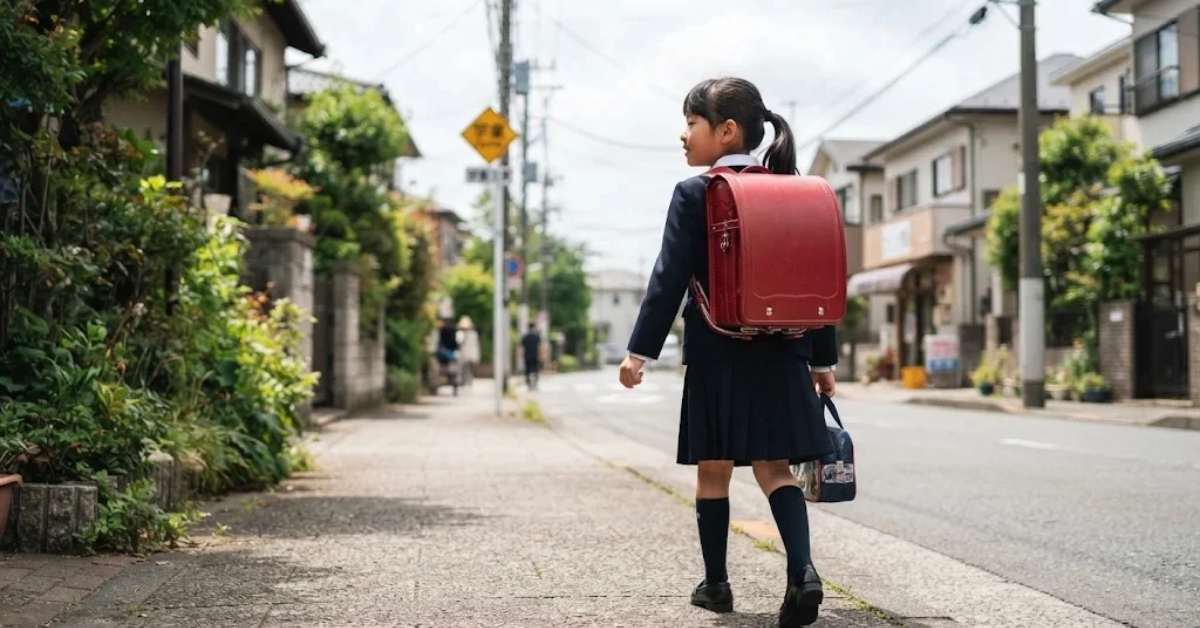
If you’ve ever seen Japanese elementary school children walking to class with distinctive, box-shaped backpacks, you may have wondered what those bags are called. The traditional Japanese school bag name is randoseru (ランドセル), a sturdy backpack that has become one of the most recognizable parts of Japanese elementary school culture.
Unlike an ordinary school backpack, a randoseru has a firm rectangular shape, structured compartments, thick shoulder straps, and a protective front flap. Many children receive one when they start elementary school and continue using it throughout their six years of primary education.
But there’s more to this familiar bag than its appearance. Its history goes back to the 19th century, and its design reflects ideas about durability, convenience, and Japanese school traditions. Let’s explore what makes the randoseru special.
What Is the Japanese School Bag Called?
The traditional Japanese school bag is called a randoseru (ランドセル). The word refers to a firm-sided backpack traditionally used by elementary school students in Japan.
It is usually worn on both shoulders, leaving children’s hands free while they walk to school. Its structured design helps protect books, notebooks, stationery, and other school supplies.
A typical randoseru has:
- A firm, rectangular body.
- Two adjustable shoulder straps.
- A large main compartment for books and notebooks.
- A front flap that covers the opening.
- A secure buckle or fastening system.
- Side pockets or additional storage features on some models.
The Japanese government’s educational publication Highlighting Japan describes the randoseru as a familiar symbol of elementary school life, accompanying children through their primary school years.
What Does Randoseru Mean in Japanese?
The Japanese word randoseru is written as ランドセル and pronounced approximately ran-doh-seh-roo.
Interestingly, it did not originally come from a traditional Japanese word. Its roots are connected to the Dutch word ransel, meaning a backpack or knapsack.
The term entered Japanese through the country’s historical adoption of Western military equipment and gradually developed into the name for the distinctive schoolbag used today.
Here is a quick language reference:
| Term | Meaning |
| Randoseru (ランドセル) | Traditional Japanese school backpack |
| Ransel | Dutch word associated with a backpack |
| Kaban (かばん) | General Japanese word for bag |
| Gakusei (学生) | Student |
| Gakkō (学校) | School |
If you’re searching for the Japanese school bag name specifically, randoseru is the word you’re looking for.
History of the Japanese Randoseru School Bag
The randoseru has a history stretching back more than a century. Its development is connected to Japan’s modernization during the late 19th century.
The Dutch Military Backpack Connection
The design traces its origins to European military-style backpacks. Dutch soldiers used a backpack called a ransel, and similar equipment was introduced to Japan during the country’s adoption of Western military practices.
The Japanese version initially became known as a practical way to carry belongings while keeping both hands free.
How It Became a School Bag
In 1877, Gakushuin, a school in Tokyo, began promoting backpack-style bags for students. The idea supported a school policy that encouraged children to walk to school and carry their own belongings rather than relying on servants or carriages.
The familiar box-shaped randoseru developed later. In 1887, a version of the bag was presented to the future Emperor Taisho when he entered Gakushuin. This event is widely associated with the origin of the modern design.
How It Became Popular Across Japan
Randoseru bags were initially more common among wealthy families and students at certain schools. Their use expanded after World War II, particularly as Japan’s modern education system and household prosperity developed.
By the 1960s, the bag had become a familiar part of elementary school life across the country.
What Does a Traditional Japanese School Bag Look Like?
A traditional randoseru looks different from the soft, flexible backpacks commonly used by students in many other countries.
Its body is firm and box-shaped, with a broad front flap that folds over the main opening. The shoulder straps are designed to distribute the bag’s load across both shoulders.
The classic appearance usually includes:
- A tall rectangular body.
- A smooth or textured outer finish.
- Reinforced edges and stitching.
- A flap covering the main compartment.
- A pair of sturdy shoulder straps.
- A compact, organized interior.
Although the basic shape remains recognizable, modern randoseru designs include additional pockets, reflective details, improved adjustment systems, and different exterior finishes.
What Materials Are Japanese School Bags Made From?
Traditional randoseru bags were associated with leather construction, but modern manufacturers use several materials.
The choice affects the bag’s weight, appearance, durability, maintenance, and price.
1. Genuine Leather
Some randoseru bags are made from genuine leather, including cowhide. Leather models are often appreciated for their traditional appearance and distinctive texture.
They can be durable when properly maintained, although they may be heavier and require more care than synthetic alternatives.
2. Artificial Leather and Synthetic Materials
Many modern randoseru bags use synthetic leather or other manufactured materials. One material commonly associated with Japanese schoolbags is Clarino, a synthetic leather developed for products requiring a leather-like finish.
These materials can offer a lighter alternative to traditional leather and are available in different colors and textures.
3. Other Lightweight Materials
Manufacturers also experiment with different materials and construction methods to reduce weight and improve comfort.
When comparing models, look beyond the material name. Check the complete bag weight, shoulder strap design, durability information, and care instructions.
Why Do Japanese Students Use Randoseru Bags for Six Years?
One of the most distinctive features of randoseru culture is how long children are expected to use the same schoolbag.
Many families purchase a randoseru when a child enters first grade, and the bag is intended to last through sixth grade. That means one backpack may accompany a child through six years of elementary school.
There are several reasons for this tradition:
- Durability: The structured construction is designed for frequent daily use.
- Practicality: The compartments provide organized storage for school supplies.
- Consistency: Children can use the same familiar bag as they move through different grades.
- Sentimental value: The bag often becomes associated with childhood memories and school milestones.
- Family tradition: In some families, grandparents give the bag as a school-entry present.
Japanese bag manufacturers emphasize durability and long-term use as important features of the traditional design. However, not every child uses a randoseru for exactly six years, and some students switch to different bags as they get older.
Why Are Japanese School Bags Usually Red and Black?
For many years, black and red were the most recognizable randoseru colors. Traditionally, black was commonly associated with boys’ bags, while red was commonly associated with girls’ bags.
That pattern became less restrictive over time. Today, children and families can choose from a much wider selection of colors and designs.
Popular options include:
- Black.
- Red.
- Pink.
- Light blue.
- Navy.
- Brown.
- Purple.
- Green.
- Beige and pastel shades.
Some bags also feature decorative stitching, contrasting panels, embroidery, and character-inspired designs.
The expansion of color choices reflects changing preferences among families and children. Research on randoseru color history also examines how earlier gender-based color conventions have become less dominant.
Are Randoseru Bags Required in Japanese Schools?
A common misconception is that every Japanese elementary school legally requires children to carry a randoseru.
In reality, the bag is a widespread tradition rather than a universal legal requirement. Schools may have their own rules or recommendations about what students should carry, and expectations can differ between institutions.
Some children use conventional randoseru, while others carry alternative backpacks or school-approved bags. Families should check their particular school’s guidance before buying an expensive schoolbag.
What Is Special About the Japanese Randoseru Design?
The randoseru is popular not simply because it looks distinctive, but because its design serves several practical purposes.
Hands-Free Carrying
Two shoulder straps allow children to carry their belongings on their backs rather than holding a bag in one hand. This leaves their hands available while walking.
Structured Storage
The firm rectangular body helps maintain the bag’s shape and provides a dedicated space for books and other school supplies.
Protective Front Flap
The flap covers the main opening and helps keep the contents inside the bag. Its design is one of the features that makes a randoseru easy to recognize.
Long-Term Construction
Traditional models are built with reinforced components intended to handle frequent use over several school years.
Even so, a durable bag is not automatically a lightweight or comfortable one. Parents should check the empty weight, fit, strap adjustment, and the amount children are expected to carry.
How to Choose a Japanese School Bag
If you’re considering buying a randoseru, there are several things worth checking before making a decision.
- Check the weight: Compare the empty weight of different models, especially if the child will walk a long distance.
- Look at the shoulder straps: They should adjust properly and sit comfortably.
- Inspect the material: Consider leather, synthetic leather, maintenance requirements, and durability.
- Check the storage space: Make sure the bag can accommodate the books, notebooks, and other items required by the school.
- Consider the child’s preferences: Color and design matter when the child will use the bag regularly.
- Review the warranty: Check what the manufacturer covers and how repairs are handled.
- Confirm school requirements: Make sure the chosen style is acceptable at the intended school.
A good randoseru should balance comfort, practical storage, durability, and a suitable fit.
Are Japanese Randoseru Bags Popular Outside Japan?
Yes. Randoseru bags have attracted attention beyond Japan because of their distinctive shape, craftsmanship, and cultural associations.
Some international buyers appreciate them as unusual schoolbags, while others choose them as everyday backpacks or fashion accessories. Japanese manufacturers have also introduced designs intended for adult users.
Their appeal is partly practical and partly cultural. For many people, the randoseru represents a recognizable image of Japanese childhood and elementary school life.
Frequently Asked Questions About the Japanese School Bag Name
1. What is the Japanese school bag called?
It is called a randoseru (ランドセル). This is the traditional firm-sided backpack widely associated with Japanese elementary school students.
2. How do you pronounce randoseru?
Randoseru is pronounced approximately ran-doh-seh-roo. The word is written in Japanese katakana as ランドセル.
3. Why do Japanese students carry randoseru?
The bag provides structured storage for school supplies and allows children to carry their belongings on their backs with both hands free. Its use is also connected to a long-standing elementary school tradition.
4. How long do Japanese children use a randoseru?
Many children use the same bag from first through sixth grade, covering six years of elementary school. However, individual choices and school practices can differ.
5. Are all Japanese school bags made of leather?
No. Traditional models are associated with leather, but modern versions are also made from synthetic leather and other manufactured materials.
6. Why are randoseru bags so expensive?
Some models cost more because of their materials, structured construction, manufacturing processes, and emphasis on long-term durability. Prices vary considerably between brands and designs.
7. Why are traditional randoseru bags red and black?
Red and black became conventional colors, with red historically associated with girls’ bags and black with boys’ bags. Modern designs now offer many more colors, and those older conventions are less restrictive.
8. Are Japanese students required to use randoseru?
No universal national law requires every elementary school student to use one. Individual schools may have their own expectations or recommendations, so families should check local school guidance.
9. Can adults use randoseru backpacks?
Yes. Some Japanese manufacturers offer randoseru-inspired bags designed for adults. These models retain the recognizable shape while adapting the design for everyday use.
10. What is the difference between a randoseru and a regular backpack?
A randoseru usually has a firm rectangular body, structured compartments, a large front flap, and a more rigid construction. A regular backpack is often softer, more flexible, and available in a wider range of shapes.
Conclusion
The traditional Japanese school bag name is randoseru, a distinctive backpack that has been part of Japanese elementary school culture for generations. Its origins are connected to Dutch military backpacks, but over time it developed into a recognizable school accessory with its own design and traditions.
Known for its firm rectangular shape, durable construction, and familiar front flap, the randoseru is often used by children throughout their six years of elementary education. Modern versions come in different materials, colors, and styles, making the traditional design more varied than ever.
If you’re interested in Japanese school culture, the randoseru is a fascinating place to start. You can explore Japanese school uniforms, classroom supplies, and other everyday traditions to learn more about what makes the country’s education system distinctive.